Understanding Catheters and Their Compatibility With Syringe Connections

Since catheter tip syringes derive their entire design purpose from compatibility with catheters, understanding catheters themselves, their basic types and design variations, provides important context for appreciating why appropriate syringe connection matters. This overview covers catheter basics relevant to syringe compatibility considerations.
What a Catheter Fundamentally Is
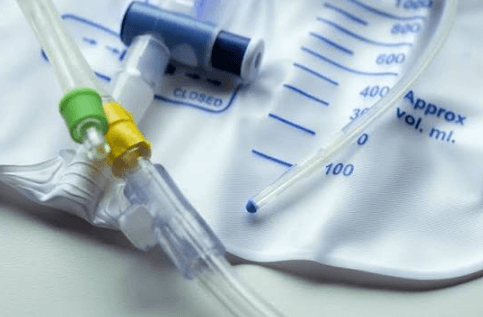
A catheter is a flexible tube inserted into the body to allow fluid drainage, fluid delivery, or access for other medical purposes, with different catheter types designed for very different anatomical locations and clinical purposes across the body.
Urinary Catheters and Their Syringe Compatibility Needs
Urinary catheters, used to drain urine from the bladder, sometimes require syringe connection for irrigation purposes to clear debris or blood clots, making catheter tip syringe compatibility relevant to this specific catheter category’s maintenance and care.
Feeding Tubes as a Catheter Category
While sometimes discussed as a distinct device category, feeding tubes share the same fundamental flexible tube design as other catheters and similarly require catheter tip syringe compatibility for nutrition delivery, medication administration, and tube flushing.
Central Venous Catheters and Different Connection Requirements
In contrast to urinary catheters and feeding tubes, central venous catheters used for vascular access typically require standard luer lock syringe connections rather than catheter tip designs, illustrating that not all catheter types share the same syringe compatibility requirements.
Why Catheter Type Determines Appropriate Syringe Selection
Given this variation across catheter categories, clinical staff need to understand which specific catheter type they’re working with to select the appropriate syringe connection, whether catheter tip design for tube-style catheters or standard luer designs for vascular access catheters.
Confirming Compatibility Before Connection
Before attempting any syringe connection to a catheter, staff should confirm compatibility between the specific syringe tip design and the catheter type in use, avoiding forced or inappropriate connections that could compromise catheter integrity or patient safety.
See also: Tech Addiction: Is It Real?
Understanding the Broader Context of Catheter Care
For a more comprehensive look at how different catheter types relate to appropriate syringe selection, reviewing information on catheter compatibility considerations helps clarify this important connection between device categories.
Frequently Asked Questions
Do all catheter types require the same syringe tip design for connection? No, different catheter categories have different syringe compatibility requirements, with urinary catheters and feeding tubes typically requiring catheter tip designs, while central venous catheters typically require standard luer connections.
Why might a urinary catheter require syringe connection? Urinary catheters sometimes require syringe connection for irrigation purposes, helping clear debris or blood clots that could otherwise obstruct proper catheter drainage function.
What should staff do before connecting a syringe to any catheter? Staff should confirm compatibility between the specific syringe tip design and the catheter type in use, avoiding forced or inappropriate connections that could compromise catheter integrity or patient safety.
Final Thoughts
Understanding the basic variation across catheter types and their differing syringe compatibility requirements provides important context for appropriate device selection in clinical practice. This foundational knowledge helps ensure safe, appropriate connections across the range of catheter-related care tasks clinical staff encounter.