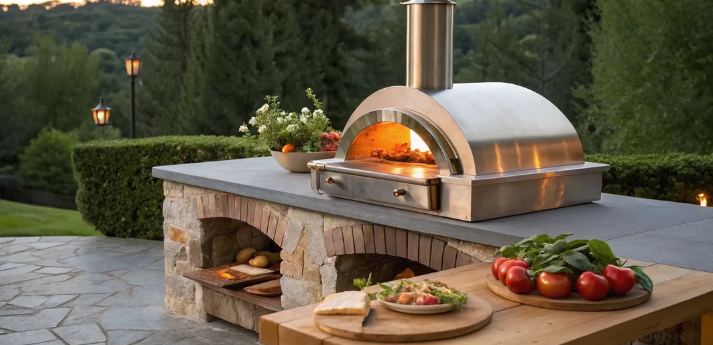
Propane Pizza Ovens Explained: Speed, Convenience, and Flavor

Propane pizza ovens have quietly become one of the most popular choices for backyard cooking, and for good reason. They offer a rare combination of speed, consistency, and genuinely good flavor, without the extra effort that wood-fired cooking demands. For home cooks who want restaurant-quality results without a steep learning curve, propane has emerged as the practical middle ground.
This article breaks down exactly how propane pizza ovens work, why they’ve become so popular, and what kind of results you can realistically expect.
How Propane Pizza Ovens Work
Unlike wood-fired ovens that rely on burning logs or pellets, propane ovens use a connected gas tank to fuel a controlled flame beneath or around the cooking chamber. This design allows for much more precise temperature regulation, since adjusting the flame is as simple as turning a dial, no need to add fuel, manage airflow, or wait for coals to reach the right intensity.
Most models use a combination of direct flame and reflective internal surfaces to distribute heat evenly across the cooking stone, helping replicate the high, consistent temperatures traditionally associated with brick or wood-fired ovens.
See also: The Epithalon Trap: How the Longevity Peptide Market Gets You, and Where the Real Door Is
Speed: The Biggest Advantage
If there’s one factor that draws most home cooks toward propane, it’s speed. A propane pizza oven typically reaches cooking temperature, often 700-900°F, within 15-20 minutes. Compare that to the 30-45 minutes many wood-fired ovens require, and the time savings become significant, especially for weeknight use when convenience matters most.
Once preheated, individual pizzas often cook in just 60-90 seconds, meaning you can serve multiple pizzas back-to-back for a group without significant downtime between bakes.
Convenience Beyond Just Speed
Speed is only part of the appeal. Propane ovens also simplify the entire cooking process in ways that matter for everyday use:
- No fuel sourcing or storage – No need to stock up on wood or charcoal.
- Minimal cleanup – No ash or soot to deal with after cooking.
- Consistent results – Precise temperature control reduces guesswork.
- Lower learning curve – Beginners can achieve solid results much faster than with wood-fired cooking.
For households that want to use their oven regularly rather than saving it for special occasions, this level of convenience often makes the difference between frequent use and an oven that sits idle most of the year.
What About Flavor?
This is often the biggest question home cooks have before switching to propane. While it’s true that propane ovens don’t produce the same smoky char associated with wood-fired cooking, the flavor difference is smaller than many people expect. High-heat propane cooking still produces a well-charred, properly cooked crust with excellent texture, the primary difference lies in the absence of that distinct smokiness, not in overall cooking quality.
For many home cooks, especially those prioritizing convenience, this trade-off is well worth the added speed and simplicity.
Comparing Propane to Countertop Options
For those with smaller spaces or who cook primarily indoors, it’s worth comparing propane ovens to compact alternatives. A countertop pizza maker offers many of the same convenience benefits, fast heat-up, consistent results, minimal cleanup, but in an even smaller footprint suited for kitchens, apartments, or limited patio space.
While countertop electric models are typically better suited for indoor or space-constrained use, propane ovens tend to offer larger cooking surfaces and higher maximum temperatures, making them a stronger choice for those with outdoor space who want to cook for larger groups.
Who Should Choose a Propane Pizza Oven?
Propane ovens tend to be the best fit for:
- Busy households that want fast, consistent results on weeknights
- Frequent entertainers who need to serve multiple pizzas quickly
- Beginners who want strong results without a steep learning curve
- Anyone prioritizing convenience over the traditional wood-fired experience
Final Thoughts
Propane pizza ovens strike a genuinely practical balance between speed, convenience, and quality. While they may not fully replicate the smoky character of wood-fired cooking, the trade-off comes with significant benefits, faster cooking times, easier cleanup, and more consistent results. For most home cooks looking to make pizza a regular part of their routine, propane offers one of the most practical paths to consistently great results.
FAQ
1. How long does a propane pizza oven take to preheat?
Most models reach cooking temperature within 15-20 minutes, significantly faster than traditional wood-fired ovens.
2. Does propane cooking sacrifice flavor compared to wood-fired ovens?
Slightly. Propane ovens don’t produce the same smoky flavor, but they still deliver a well-cooked, flavorful crust with excellent texture.
3. Are propane pizza ovens beginner-friendly?
Yes, they’re generally considered one of the easiest options for beginners due to precise temperature control and minimal fuel management.
4. How does a propane oven compare to a countertop pizza maker?
Propane ovens typically offer larger cooking surfaces and higher temperatures, while countertop models are better suited for smaller spaces or indoor use.
5. Can propane ovens cook more than just pizza?
Yes, many models can also handle flatbreads, roasted vegetables, and other high-heat dishes beyond traditional pizza.