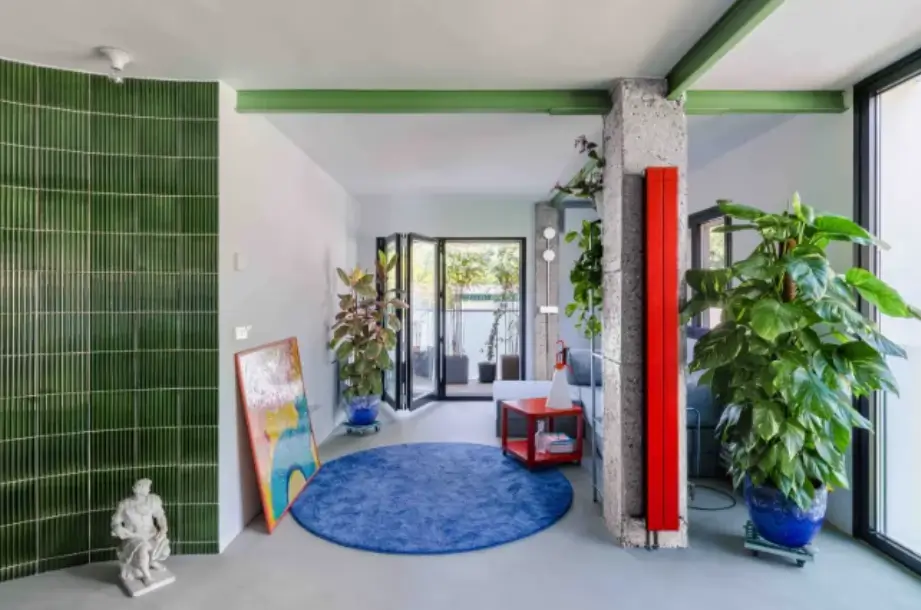
Square Green Tiles: Historic Restoration Guide for Residential Interior Architects

Picture a residential architect tasked with restoring a 1920s Craftsman home. The client wants the fireplace surround and kitchen backsplash to reflect the property’s original character, featuring green square tiles with a deep, lustrous finish. Achieving a result that honors the home’s history depends on understanding period-appropriate materials, sourcing authentic products, and executing restoration techniques that preserve the building’s architectural integrity. The challenge is not only technical but also interpretive: the professional must read the building’s history in order to select and install tiles that respect both its era and its unique story. The following guide details the specialized processes and decisions that lead to a successful Square Green Tiles historic restoration for residential interior architects.
Historic Ceramic Analysis for Period Residential Interiors
Every successful restoration begins with a close study of the original ceramic tilework. Early twentieth-century homes often feature hand-pressed, glazed earthenware tiles with distinctive square formats and subtle surface variation. Identifying the clay composition, glaze type, and firing method can clarify whether the original tiles were locally produced or sourced from a prominent regional manufacturer. For example, a 1925 bungalow may reveal evidence of lead-based glazes or unique crazing patterns, both of which influence restoration decisions. Identifying original tile manufacturing techniques provides the foundation for choosing compatible restoration materials.
Color analysis is also essential. Many period tiles display layered greens—often with hints of blue, olive, or teal—reflecting early twentieth-century design aesthetics. Comparing retained samples against period catalogs or surviving tile fragments helps architects pinpoint the precise shade and finish for a seamless match. Thorough documentation, including photographs and measured drawings, supports a historically accurate restoration plan and may be required for heritage permit approvals.
Where tiles are missing or damaged, detailed mapping of the original layout is a practical step. This allows for careful removal and cataloging of salvageable pieces, preventing further loss and aiding in the replication process. These steps form the groundwork for any subsequent sourcing or installation decisions.
Sourcing Authentic Glazed Square Green Tiles
Locating true-to-period green tile for restoration projects involves more than color matching. Specialists often consult historic tile manufacturers’ archives and collaborate with contemporary artisans skilled in time-honored glazing and firing methods. When sourcing replacement pieces, architects should specify dimensions—most historic square tiles measure between 4×4 and 6×6 inches—and request samples that demonstrate authentic surface texture and depth of color.
Modern makers can produce hand-glazed, kiln-fired tiles that replicate the slight irregularities characteristic of early ceramics. However, confirming the suitability of these products for restoration work is essential. For example, many residential interior architects reference Square Green Tiles collections for a curated assortment that aligns with common historic palette ranges. Such collections offer tile options whose glaze translucency and color depth closely mirror those found in original installations.
For projects in protected heritage districts, using reclaimed vintage tiles may be preferable, provided they meet contemporary safety and durability standards. Comparing tile salvage and reproduction processes helps professionals weigh the benefits of authenticity against the practicalities of supply and performance. Written documentation of the sourcing process supports compliance with restoration guidelines and provides future caretakers with essential material history.
Architectural Conservation Methods for Vintage Tile Installation
Reinstalling green tiles in historic settings requires techniques that respect the substrate and adjacent building fabric. For example, many period homes used lime-based mortars, which are more flexible and vapor-permeable than modern cement products. Selecting a compatible adhesive prevents damage to both new and existing tilework, and in some cases, original mortar beds can be carefully repaired rather than replaced.
Before any installation, test-fitting salvaged or reproduction tiles confirms alignment with existing layouts and reveals minor dimensional differences. This process allows for subtle adjustment and minimizes the need for cutting, which helps retain the authentic look of the space. Where tiles are to be interlaced with surviving originals, careful joint sizing and grout color selection are critical for visual continuity.
Conservation specialists favor reversible installation techniques whenever possible. For example, using soft-set mortars allows future removal without harming the underlying structure, ensuring that restoration efforts remain in keeping with best conservation practices for Square Green Tiles historic restoration.
Color Matching and Patina Restoration in Heritage Spaces
Achieving a seamless restoration goes beyond simply matching new tile to old. Historic green tiles often develop a patina—a softened luster, subtle crazing, or even minor surface wear—that contributes to their period character. Replicating this appearance requires both technical skill and artistic sensitivity.
When new tiles are installed alongside aged originals, custom glaze applications or post-installation treatments may be used to blend the finish. For instance, gentle abrasion with fine steel wool or the application of diluted oxides can subtly age reproduction tiles. Matching the grout color to historic residues, rather than to the unweathered original, helps unify the appearance across old and new surfaces.
In spaces where the original tiles have lost their shine or developed discoloration, specialized cleaning and restoration products formulated for historic ceramics can restore surface integrity without removing desirable signs of age. Careful testing ensures that any cleaning process will not damage the glaze or underlying substrate, preserving the unique visual qualities that define the space.
Conclusion
When planning a historic restoration involving green ceramic tiles, start by assessing and documenting the existing material, then work with suppliers and artisans who can provide period-appropriate options. Prioritizing reversible installation methods and skillful color integration ensures that both the historic character and the integrity of the residential interior are preserved for future generations.